
How Much Does an Interior Designer Cost in the UK? What a Design Fee Covers
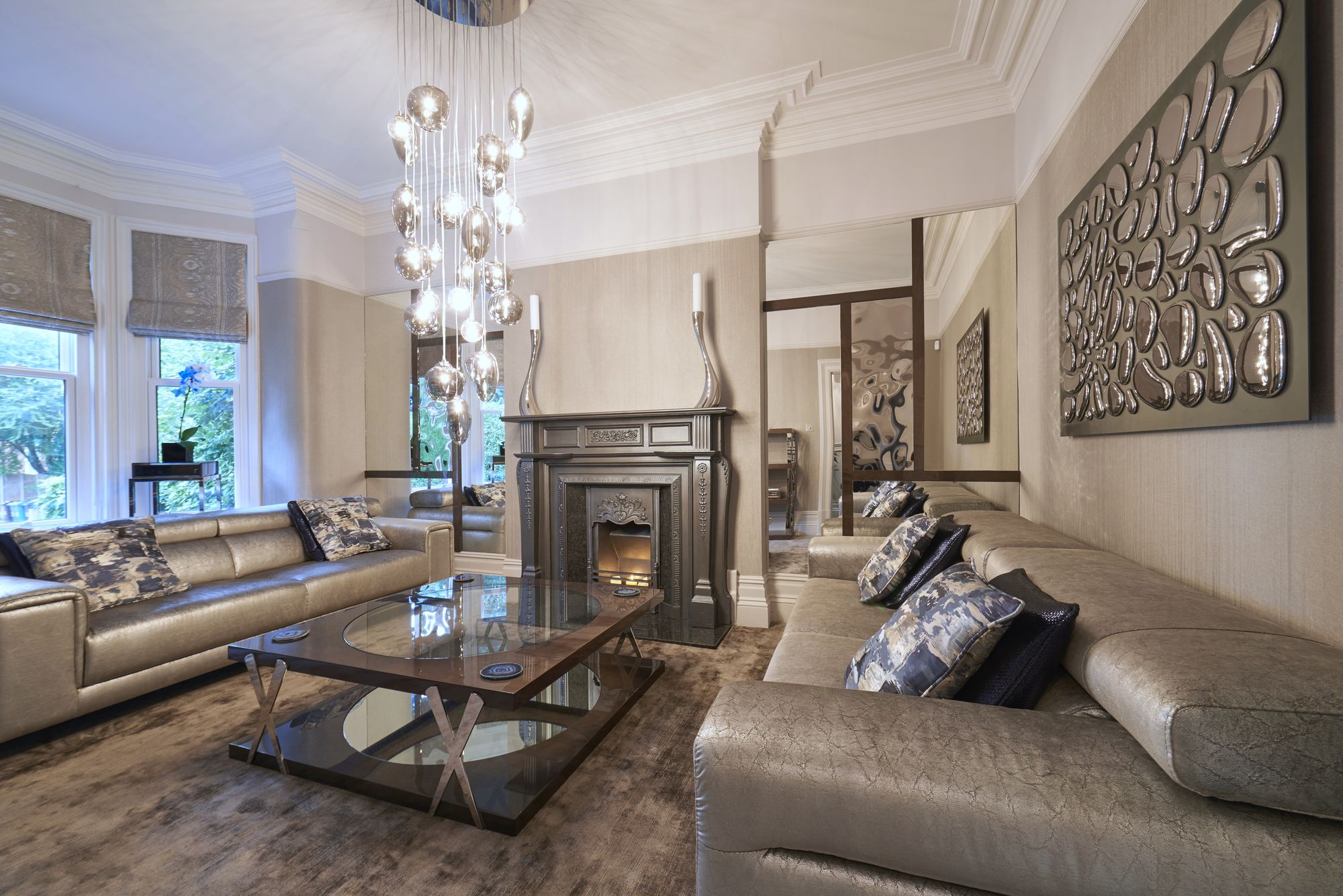
There is no single figure for what an interior designer costs, because designers do not all charge for the same thing. Some charge by the hour, some a fixed fee, some a percentage of the project, and some earn most of their living on the furniture and fabric they supply. Two quotes for the same room can look very different and come to much the same, or look the same and cover very different amounts of work.
The design fee is also, for most rooms, the smaller part of what the room costs. That is worth knowing before comparing anyone’s fees.
The four common ways designers charge
By the hour
An hourly rate suits a short piece of advice: a colour consultation, a second opinion on a layout, help choosing between two sofas. It is honest, in that you pay for the time used, but on a whole room the total is hard to predict, because nobody knows at the start how many hours the decisions will take. Rates vary widely between designers and regions. If a designer charges by the hour, ask for an estimate of the hours your room will need and what happens when it runs over.
A fixed fee per room or per project
A fixed fee tells you the cost of the design before it starts. The thing to establish is what it buys: how many drawings, how many rounds of changes, whether site visits are included, and whether the fee covers the design only or also the ordering and installation that follow. A low fixed fee for a thin service is not a saving.
A percentage of the project
On larger projects, particularly where there is building work, some designers charge a percentage of the total cost. It ties the fee to the size of the job, which is fair in one sense, but it also means the fee rises every time the budget does. Ask exactly what the percentage is calculated on: the building work, the furnishings, or both.
A fee offset against product
Designers who also supply furniture, fabric and lighting often charge a design fee and then refund some or all of it as you order through them, or charge little for the design and make their margin on the products. This works well if you intend to buy through the designer anyway, though it is still worth asking how their product prices are arrived at.
Plenty of designers combine two of these. None is the right one in itself; what matters is knowing which you are agreeing to.
Why we do not quote an average
Search for the average cost of an interior designer, or of an interior decorator, in the UK and you will find all sorts of figures. An average across hourly rates, fixed fees and percentages does not describe anything a real client pays, because it mixes a two-hour colour consultation with a whole-house refurbishment. The useful comparison is between two specific quotes for your room, with the scope of each written down.
The word decorator adds a further muddle. In the UK it most often means a painter and decorator, a tradesperson usually priced by the day or by the job. That is a different service from design, and a quote for one tells you nothing about the other.
How our design fee works
Ours is a version of the last model. The studio is an interior designer in Bowdon with a walk-in showroom that supplies the furniture, fabric, curtains, lighting and accessories for the rooms it designs, so the fee is arranged around ordering.
A design fee of £300 covers one room and includes every part of the design service. It is refunded as you order: 10% comes off any order until the whole £300 has come back, so a room you spend £3,000 on is designed free of charge.
In practice the fee behaves more like a credit than a charge. If you furnish the room through us, it comes back off the orders. If you order nothing, the fee is what the design cost. So the plain answer to what an interior designer costs for one room, here, is £300, and nothing at all once the orders for that room reach £3,000.
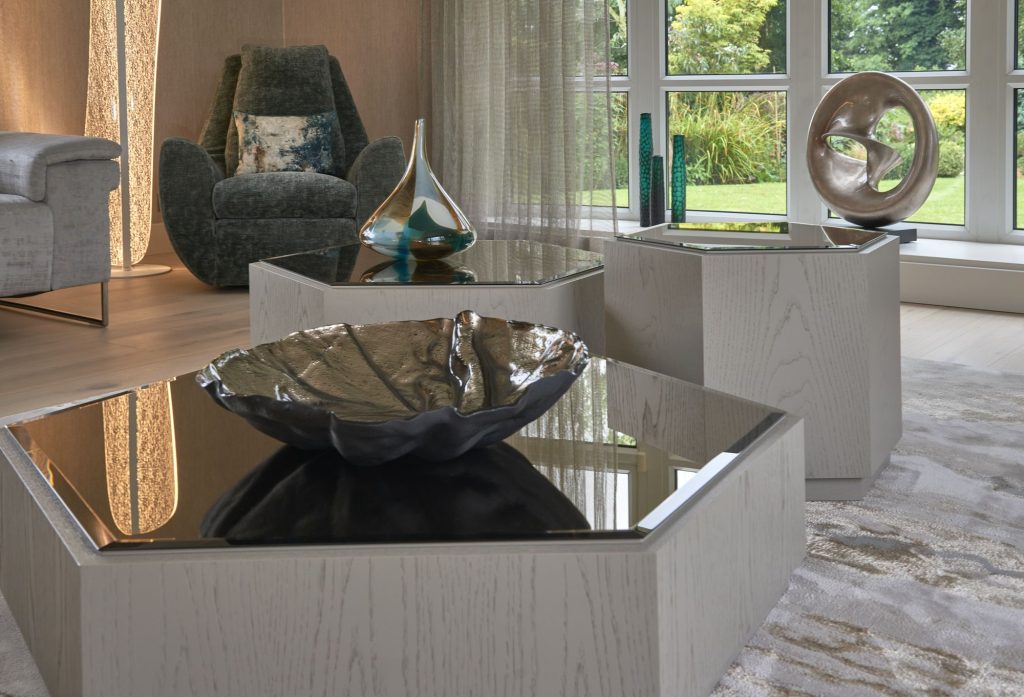
“Every part of the design service” means the work of designing the room, not a consultation and a mood board. It covers the furniture layout and floor plan; a scheme put together in the showroom with real fabric, wallpaper, timber and stone samples, in the light they will live in; lighting specified with your electrician before first fix wherever the building work allows it; and any fitted joinery, which is designed here and made and fitted by two long-standing partner workshops. Curtains and blinds are measured on site and made to order.
There is no minimum project. A single room is normal work, and so is a pair of curtains or a rug. The fee works the same way for our interior designer services in Wilmslow and the rest of Cheshire as it does in Bowdon.
The bigger number is everything else
The larger figure is what goes into the room: furniture, fabric and the making of the curtains, wallpaper, lighting, rugs, joinery and the fitting of it all, plus whatever your builder, electrician and decorator charge for their part. We do not publish prices for those, because they depend entirely on the room.

Curtains show why. The cost is set by the width and drop of the window, how full the curtains are made, the lining, the track or pole, and above all the fabric, where the gap between a plain cotton and a heavy textured velvet across a wide bay is considerable. None of that can be priced from a description. Fitted joinery is the same: the workshops survey and template on site before anything is cut, and the price follows the survey rather than the other way round.
So the rest of the budget is quoted against the actual room, item by item, once it has been measured and the scheme is agreed. The most useful thing a client can do at the start is say what they want to spend. A design should fit the budget you actually have, and a designer who has to guess the figure will either draw something you cannot afford or play it safer than the room needs.
What to ask any designer before you sign
- How do you charge, and what exactly does the fee include? Drawings, revisions, samples, site visits, and whether ordering and installation are part of it or extra.
- What counts as a room? An open-plan kitchen, dining and living space may be one room to you and three to a designer.
- Do you earn anything on the products you supply? There is nothing wrong with it, but you should know how the prices are arrived at.
- Can I buy items elsewhere, and does that change the fee? Some arrangements depend on ordering through the designer.
- What happens if I stop after the design? Find out what you will have paid and what you will have in hand.
- Who do the trades work for? If the designer arranges the joiner, the curtain fitter or the electrician, ask who they are contracted to, because that decides who puts things right.
- What are the payment terms? Deposits on orders, when the balance falls due, and what happens if a made-to-order item is delayed.
A designer who answers those plainly, and puts the answers in writing, will usually run the rest of the job the same way.
If you would like to talk through a room and what it is likely to involve, bring a few photographs and rough measurements to the showroom at York House on Vicarage Lane. It is open Monday to Saturday, 9am to 5pm, with no appointment needed, and if you would rather start by email, the contact page has everything you need.