
Interior Designer, Decorator or Stylist: Which One Do You Need?
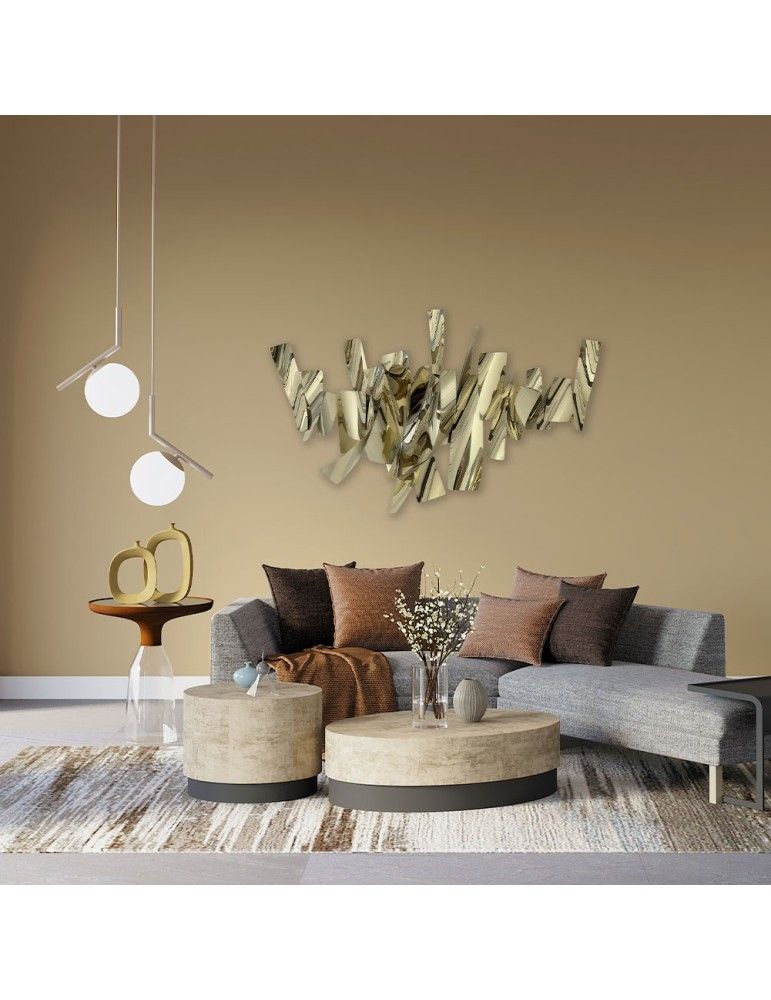
The three titles get used loosely, and they overlap. Plenty of interior designers decorate, many decorators also style, and a good stylist will tell you when a room needs more than new cushions. None of the three is a protected title in the way “architect” is, so what someone calls themselves tells you less than what they actually do.
The more useful way in is to ask what is changing in the room. If walls, wiring or built-in furniture are moving, it is a design job. If the shape of the room stays and the surfaces change, it is decoration. If everything is staying and the room still does not feel finished, it is styling.
What an interior designer does
An interior designer starts with how the room is used and works outwards from the plan. That means the layout and where the furniture goes, fitted joinery, and a lighting plan, with the positions and circuits decided before the electrician’s first fix, while moving them still costs very little. A designer works alongside the builder, the electrician and the joiner, and puts together the whole scheme: layout, lighting, joinery, surfaces, fabric and furniture, as one set of decisions rather than a series of separate purchases.
That is the real answer to what an interior designer does that a decorator usually does not: the decisions that are expensive to undo. A socket in the wrong place, a downlight over the wrong spot, or an alcove built a few centimetres too shallow for the shelving you wanted are all small at the drawing stage and costly afterwards. Most of the value of a designer is in getting those right early, which is why it pays to bring one in before the builder starts rather than after.
What an interior decorator does
A decorator works within the room as it is. The walls, the windows and the wiring stay where they are, and the work is in colour, wallpaper, fabric, curtains and blinds, upholstery, flooring and the choice of furniture. A good decorator can change how a room feels without touching its structure at all, and for a room whose layout already works, that is often exactly the right job.
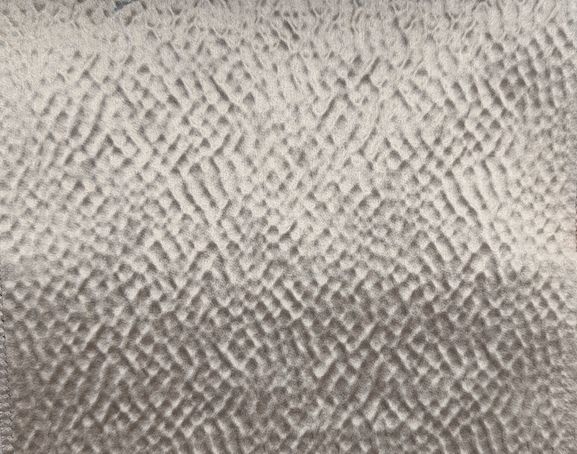
Where decoration goes wrong, it is usually the order of things. Fabric first and paint second is an old rule with a sound reason behind it: paint can be mixed to almost any colour and a fabric cannot, so it is far easier to match the paint to the curtains than the other way round. The other common mistake is choosing a wallpaper or a paint from a screen rather than with a sample held against the room’s own light, which gets you close to what was intended and not quite there.
One complication is particular to the UK. Here “decorator” most often means a painter and decorator, the tradesperson who prepares the walls, paints and hangs paper. That is skilled work and most schemes need it, but it is a trade rather than a design service, so if you are looking for an interior decorator to help choose the colours and fabrics, check which of the two you have found.
What a home stylist does
A home stylist, or interior stylist, works on the final layer: accessories, art, cushions and throws, rugs, lamps and mirrors, and the arrangement of what is already in the room. Interior styling is often more about editing than buying. Moving a sofa off the wall, taking half the objects off a shelf, or replacing three small pictures with one large one changes a room more than people expect.
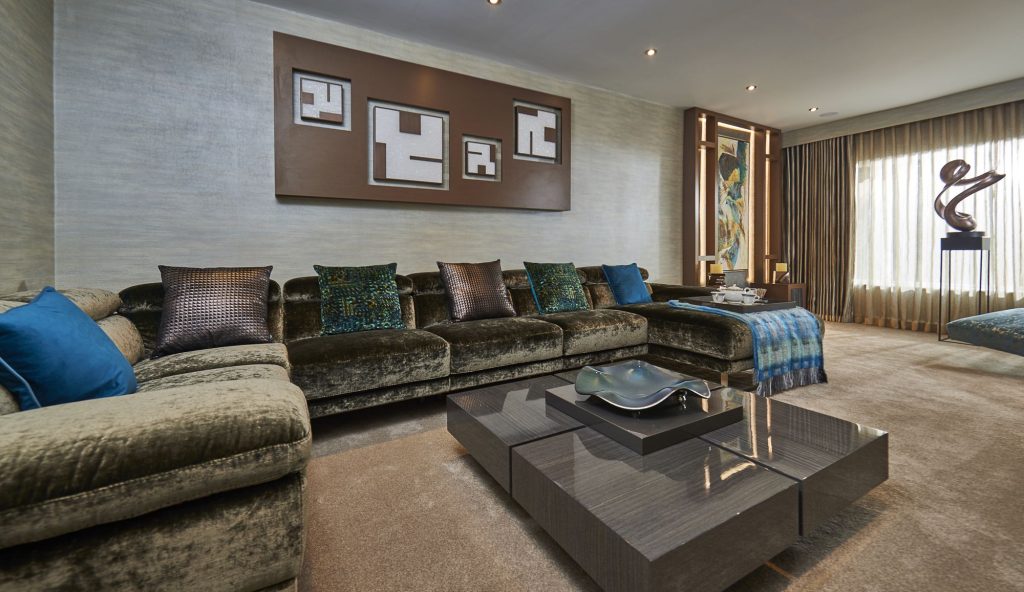
Scale is where styling succeeds or fails. One large piece does more for a sideboard than five small ones, a lamp too small for its table looks like an afterthought, and a rug that stops short of the furniture makes the room look smaller rather than larger. Accessories are also the hardest thing to choose on your own, because they only work in relation to everything else in the room, so buying them one at a time from different shops rarely adds up to much.
House styling and home styling are also used for something else: preparing a house for sale or for photographs. That is a different brief. A house styled for sale is arranged to appeal to as many buyers as possible. A house styled for the people who live in it should be more personal than that, and usually is.
Where the three overlap
In practice the lines blur. A designer working on a whole scheme chooses the paint, the fabric and the cushions as part of it. A decorator will often move the furniture round. A stylist choosing a rug is making a decision about colour and scale that any decorator would recognise. The real difference is how far back each one goes: the stylist starts from the room as it is, the decorator from the walls as they are, and the designer from the plan.
The order matters more than the titles. Styling done before the decoration is settled tends to be done twice, and decoration finished before the lighting is planned locks in whatever the lighting gets wrong, because moving a light afterwards means cutting into a finished wall or ceiling. If a room needs all three, they want doing in that order: design, then decoration, then styling.
How to tell which job you have
- You are building, extending or rewiring. That is design, and it should start at the drawing stage, before first fix, while the lighting and joinery can still go where they ought to.
- The layout works but the room feels tired or does not hang together. That is decoration: colour, wall covering, curtains, perhaps new upholstery.
- The room is finished but looks bare or unresolved. That is styling: rugs, lamps, art and accessories, and probably some editing of what is already there. It is also what most people searching for a home styling service actually want.
- You cannot tell. Start with one room, or with the curtains. Window treatments force decisions about colour and light that the rest of the room then has to answer, so they show quickly how far the job needs to go.
How we work across all three
The studio does all three levels of work, often in the same house. Full design covers the layout, the lighting plan, fitted joinery designed here and made and fitted by our partner workshops, and the whole scheme from floor to ceiling; how a full project runs is set out on our interior design services page. Single rooms and curtains are normal work too, with no minimum project, and plenty of larger projects have started with one or the other.
The finishing layer is chosen from the showroom: accessories, rugs, lighting and mirrors, and Lana’s own artwork, which can be commissioned at the size and colour a particular wall needs. Bring photographs and measurements of the room and the pieces can be put side by side before anything goes home. Most interior design in Bowdon starts with someone walking in off Vicarage Lane rather than with an appointment, because the studio and the showroom are both in the town. Further out it works the same way: home styling in Cheadle, where most of the houses are inter-war, is for rooms where the layout, the floor and the main furniture are staying and what is missing is the layer that makes the room feel finished.
If you are not sure which of the three your room needs, the showroom is a sensible place to find out. Bring a few photographs of the room to York House on Vicarage Lane in Bowdon; it is open Monday to Saturday, 9am to 5pm, and there is no need to book.